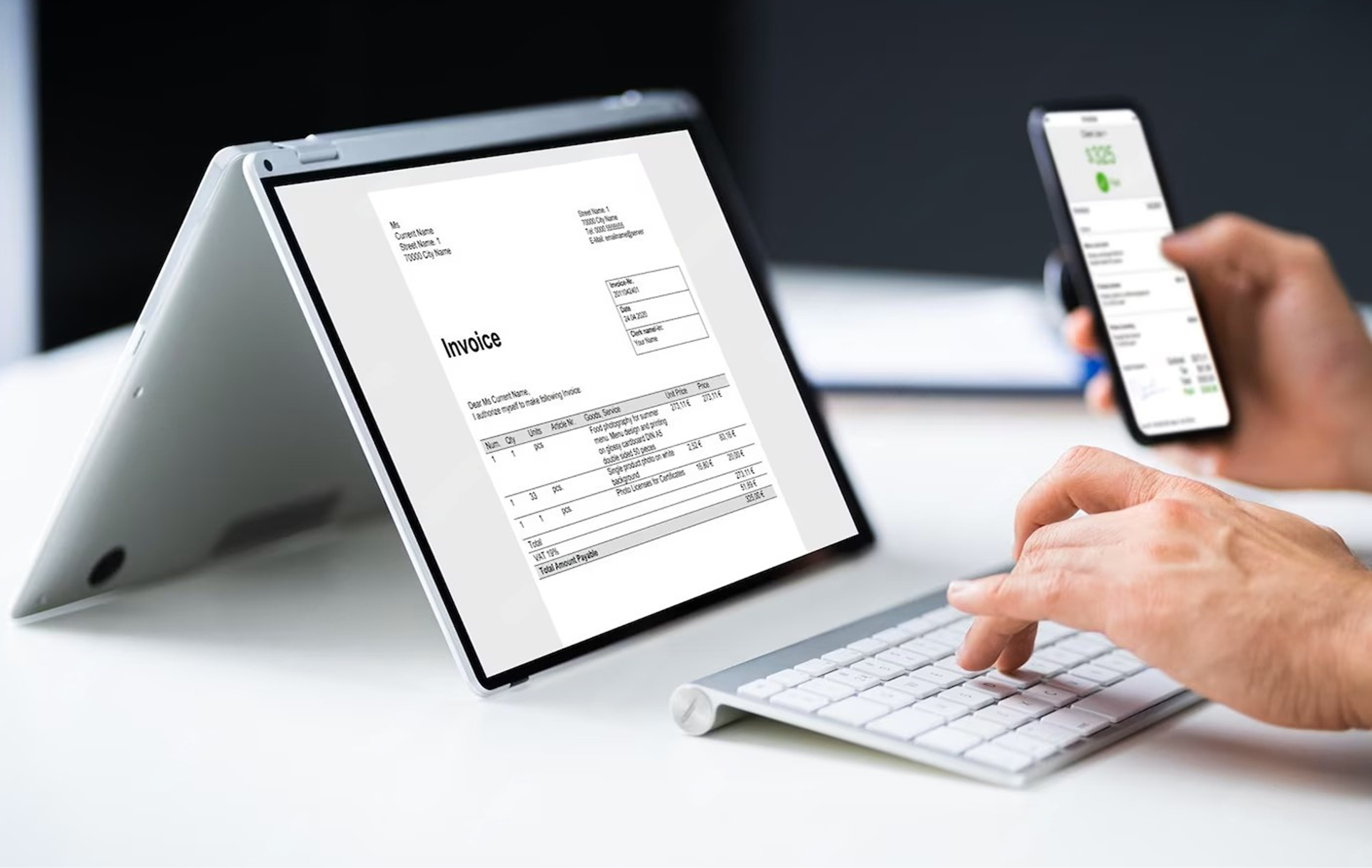
Could e-invoicing be a step towards automated VAT assessments?
Under the current UAE VAT framework, assessments are largely reactive. UAE is not alone – it is so in many countries.
As a process, returns are filed ~ Data is reviewed ~ Audits are initiated ~ Observations ae summarized and assessments concluded.
Assessments are essentially post-facto. E-invoicing changes this sequence.
With FTA receiving line wise invoice details, in a structured manner on a near real-time basis, the access to data clearly moves from periodic visibility to continuous visibility. That shift possibly lays the foundation for automated or semi-automated VAT assessments.

Not a peek into the future or the plans of FTA, but this is how it could unfold.
- From return-driven to data-driven assessments: VAT returns which are essentially the source of truth for assessments in the current framework, could shift to being a merely confirmation layer, viz., for validation against invoice-level data already available with the FTA. With structured data being available with the FTA, assessments can be based on pre-defined rules rather than post-audit interpretations thereby improving predictability, not just for the FTA, but even for the tax payers.
- Compliance rating system: Similar to the provisions as in India GST, the FTA may consider rating the tax payers based on their compliance levels, which rating in turn could be the basis for frequency of audits, extending concessions and more.
- Automated flagging of mismatches: No manual efforts or audits will be required. Output tax reported by the supplier can be algorithmically compared with input tax claimed by the recipient. Aspects like scale, volume, frequency and value which play an important role today, would not be a factor in the e-invoicing environment.
- Use of such data for analytics: With possibly no discretionary adjustments, comparisons and analysis being more rule-based, the data is fertile for high level and intelligent analytics.
Nonetheless, none of above will mean instant and completely automated assessments or elimination of assessments by the FTA.
But yes, what it could certainly mean is that the nucleus of VAT administration shifts from audits to analytics and Tax certainty will increasingly depend on data quality and not just explanations.